

Why a Photography Workshop Can Help You Finally Get Off Auto
Buying a better camera is often the beginning of an exciting new interest, but it can also be the point where photography suddenly starts to feel far more complicated. There are buttons, dials, menus and unfamiliar words everywhere, and the instruction manual can sometimes leave you with more questions than answers. It’s hardly surprising that many people turn the dial to Auto and leave it there.
There is nothing wrong with using Auto, especially when you’re getting started or need to take a photograph quickly. Modern cameras are incredibly clever and can often produce a perfectly acceptable result, but the camera doesn’t understand why you are taking the photograph or how you want it to look. It can measure the light and make a technical decision, but it cannot see the picture you have in your head.
Moving Beyond Auto Isn’t About Memorising Everything
One of the biggest things holding people back is the belief that they need to understand every setting before they can take control of their camera. They look at all the information online, hear photographers talking in technical language and understandably assume that photography is going to involve remembering dozens of numbers and rules.
In reality, you don’t need to learn everything at once. You need somebody to explain the important parts clearly, show you how they affect a photograph and give you the opportunity to try them without feeling rushed. Once the main principles begin to make sense, the camera stops feeling like a complicated piece of equipment and starts becoming a creative tool.
That change rarely comes from being handed a list of recommended settings. A setting that works in one situation may be completely wrong when the subject, light or conditions change. The real benefit of learning photography is understanding why you might make a particular choice, rather than simply copying a number and hoping it works.
The Difference Between Reading and Doing
There is an enormous amount of photography information available online, and much of it can be useful. The difficulty is knowing where to begin and how all the different pieces fit together. You can watch several videos about aperture, shutter speed and ISO, yet still struggle to apply that information when you are standing outside with your own camera.
A practical photography workshop gives you the opportunity to see what happens when you make a change, compare the results and ask questions as they occur. Instead of trying to remember something you watched several weeks ago, you are using your own camera and seeing the effect for yourself.
This is also why my workshops aren’t built around hours of technical lectures. We cover the principles you need, but the most important learning happens when you begin taking photographs. I can then work with you, look at what your camera is doing and explain what you might change to get closer to the result you want.
Learning With Your Own Camera
Cameras all work around the same photographic principles, but the way you access their settings can vary considerably. A Canon may place a control somewhere completely different from a Nikon, Sony or Fujifilm, while even two models from the same manufacturer can have different menus and button layouts.
Learning with your own camera means the information becomes relevant immediately. You aren’t watching somebody demonstrate a camera you’ve never used and then trying to translate it back to your own equipment later. We work with the camera you actually own, helping you find the controls you need and understand how to use them confidently.
You certainly don’t need the latest or most expensive equipment to attend one of my workshops. Some students arrive with brand-new cameras, while others bring equipment they have owned for years but have never fully understood. The important thing is not what is written on the front of the camera; it is learning how to get the best from what you already have.
A Relaxed Place to Ask Questions
One of the greatest advantages of attending a workshop is being able to ask questions without feeling that you should already know the answer. Photography can sometimes appear intimidating from the outside, particularly when other people seem comfortable using technical terms or discussing equipment.
My workshops are designed to be relaxed, friendly and supportive. Nobody is expected to arrive knowing everything, and there is no pressure to keep up with anybody else. People learn in different ways and at different speeds, so I make time to work with each student and explain things in a way that makes sense to them.
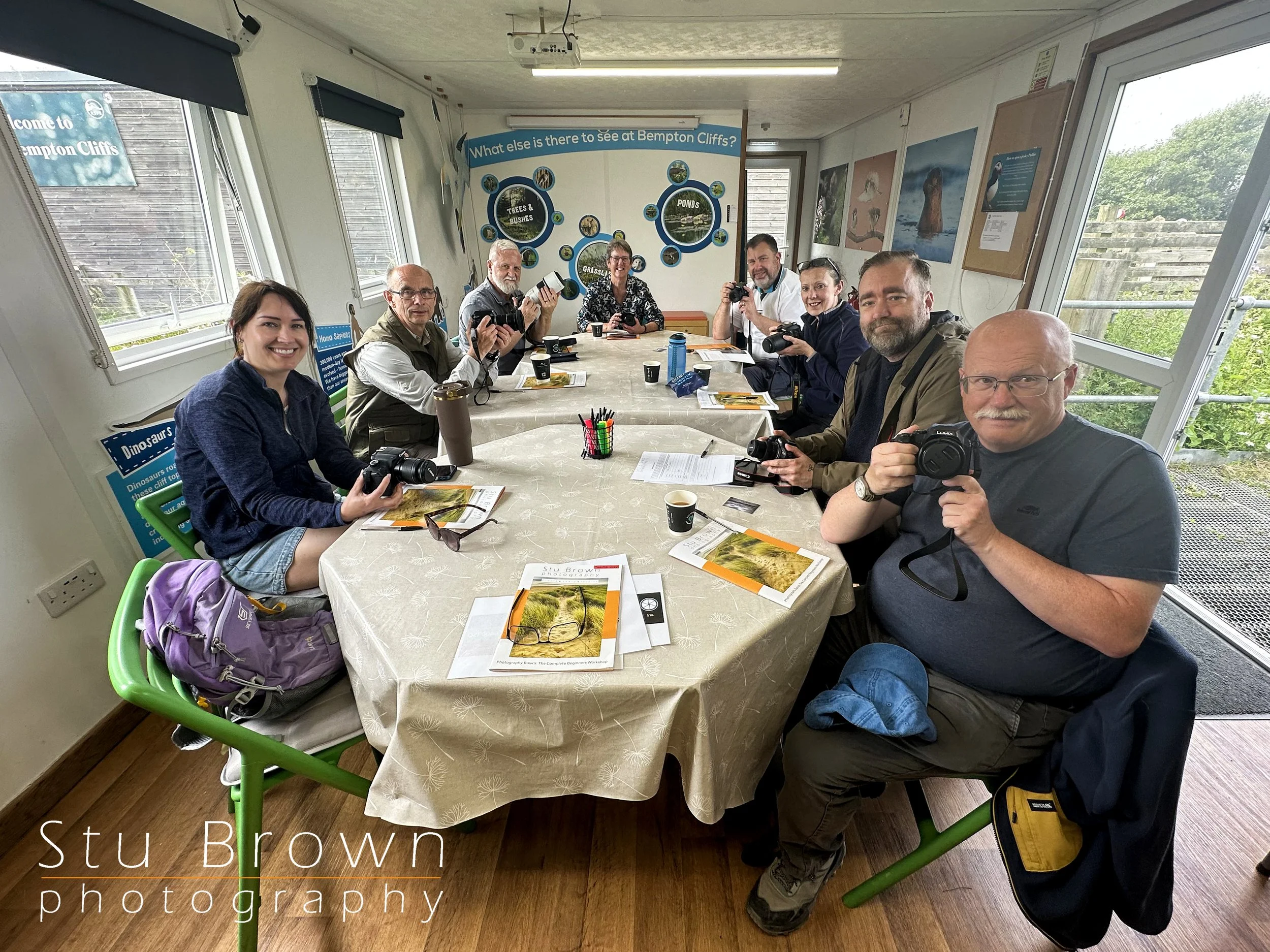
Group workshops are also a lovely way to meet other people who enjoy photography. The students usually arrive with a mixture of cameras, experience and interests, but everybody is there for the same reason: to learn, enjoy taking photographs and become more confident. That shared experience often becomes one of the most enjoyable parts of the day.
Building Confidence Rather Than Chasing Perfection
Getting off Auto doesn’t mean that every photograph will suddenly be perfect, and it certainly doesn’t mean you will never make a mistake. Photography involves making decisions, experimenting and occasionally discovering that something hasn’t worked in quite the way you expected. That is all part of learning.
The difference is that you begin to understand what happened and what you could change next time. Instead of blaming the camera or assuming you aren’t good enough, you have a clearer idea of how to approach the situation. That understanding is what builds genuine confidence.
My aim isn’t to turn everybody into the same kind of photographer or tell students that there is only one correct way to take a picture. It is to give you the knowledge and confidence to make your own creative decisions, whether you are interested in landscapes, wildlife, family photography, travel or simply recording the world around you.
Learning Away From Everyday Pressures
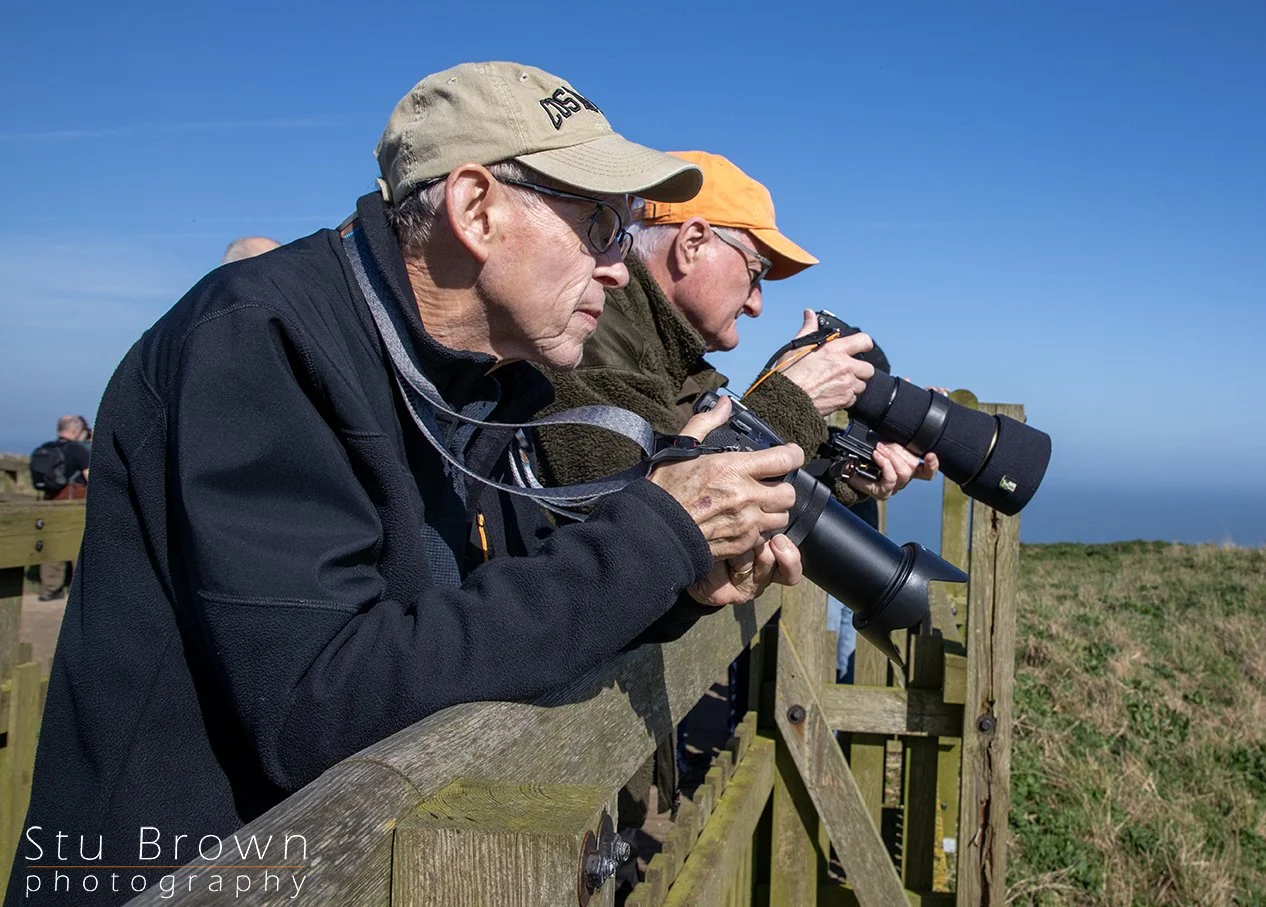
Photography also gives us a reason to slow down and properly notice what is happening around us. A workshop creates time away from everyday pressures, allowing you to concentrate on something creative while spending time in some brilliant locations across North Yorkshire and the North East.
That doesn’t mean the learning is any less valuable or structured, but it does mean the day can be enjoyable as well as educational. You have time to experiment, talk to other photographers and explore the location without feeling that you are sitting through a formal classroom lesson.
Many students leave with more than a better understanding of their camera. They leave feeling motivated to use it more often, try different subjects and continue developing their photography long after the workshop has finished.
Something Useful to Take Away
It can be difficult to remember everything covered during a full day of photography, particularly when much of the information is new. Every student therefore receives a professionally produced Stu Brown Photography workshop guide to take home.
The guide supports what we cover during the workshop and gives you something useful to refer back to afterwards. It means you can concentrate on learning and taking photographs during the day without worrying about writing down every word or trying to memorise every explanation.
The detailed techniques, practical exercises and guidance remain part of the workshop experience, where I can explain them properly and help you apply them to your own camera. The guide then helps you revisit what you have learned and continue practising in your own time.
Ready to Take Control of Your Camera?
If you have owned your camera for months or even years but still feel unsure about moving beyond Auto, you are certainly not alone. Sometimes all it takes is a clear explanation, a little practical guidance and the opportunity to ask the questions that have been holding you back.
My Photography Workshops for Beginners are designed to provide exactly that. They offer relaxed, practical tuition in friendly groups, with no unnecessary jargon and no expectation that you should already understand your camera.
If you would prefer tuition built entirely around you, I also offer one-to-one photography workshops that can be tailored to your camera, experience and the subjects you enjoy photographing.
Whichever option you choose, the aim is the same: to help you understand your camera, enjoy your photography and start creating pictures through your own decisions rather than leaving everything to Auto.
To book or to check availability - Call | Text | WhatsApp - 07739121743 | Email