


Macro Photography: Finding a Whole New World Close to Home
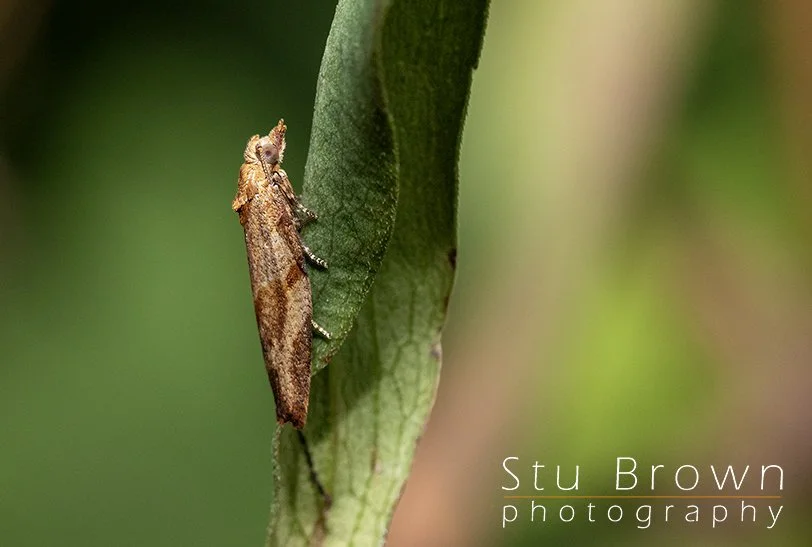
Apple Moth, Stu Brown Photography
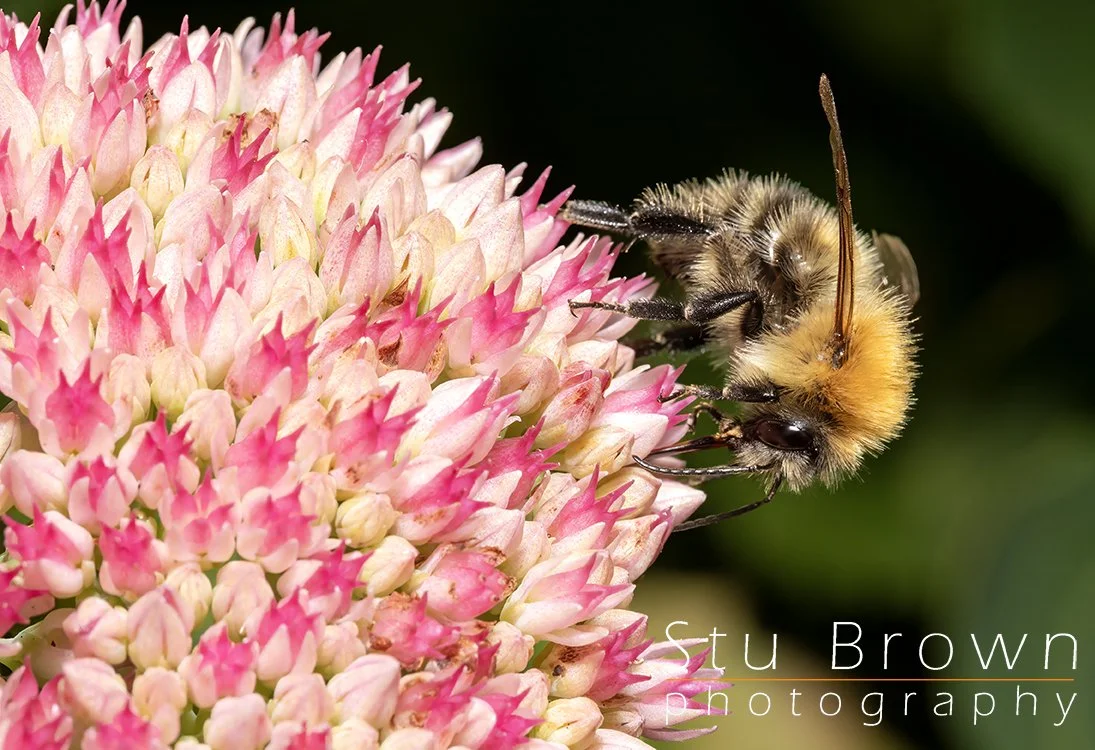
Having recently bought another Canon 100mm f/2.8L macro lens, I’ve been spending more time looking for the smaller subjects around me. Bees, moths and sawfly larvae have all had their moment in front of the camera, and I’m enjoying getting back into a kind of photography that can keep me occupied without travelling very far at all.
My garden has been something I’ve been developing for quite some time. Usually, I’m looking at how the plants are growing or which jobs need doing next. Taking the camera outside changes that. I start noticing what’s sitting on a leaf, moving along a stem or feeding on a flower. There’s quite a lot going on when you give yourself time to look.
That’s one of the things I enjoy most about macro photography. A familiar place becomes somewhere worth exploring again. You might walk past the same plant every day, then find yourself spending twenty minutes beside it because there’s a tiny subject you’ve never properly noticed before.
Why I’m Enjoying Macro Photography Again
Much of my working life involves photographing people, while my wildlife photography often has me watching birds through a long lens. Getting close to a small subject brings a different challenge. The movements are smaller, the details are finer and a slight change in position can make a surprising difference to the photograph.
It also gives me a reason to experiment. I’ve been trying different angles, watching the backgrounds and working out how best to show the subject. Some attempts work, others don’t, and that’s part of the enjoyment. Even after years of working as a professional photographer, I still want time with the camera where I can practise and follow my own curiosity.
The sawfly larvae I’ve recently photographed are a good example. They’re the sort of subjects that could easily go unnoticed, but looking closely reveals details that make them worth spending time with. You begin paying attention to the shape of the body, the way they hold onto a plant and how they sit within their surroundings.
You Don’t Have to Travel Far to Find a Subject
Living near Saltburn in North Yorkshire, I’m fortunate to have the coast and countryside nearby. There are plenty of places across Teesside and North Yorkshire to enjoy nature photography, but some of my recent close-up photographs have come from right outside my own door.
A garden, a planter or a patch of vegetation can give you somewhere to start looking. The attraction is that you can return regularly and see what changes. You get to know which flowers attract visitors and which plants are worth checking, rather than feeling you need a completely new location every time you take the camera out.
There’s also something satisfying about making a photograph of an ordinary subject. A bee on a flower might be a familiar sight, but getting a closer view encourages you to appreciate it differently. The photograph gives you time to study details that are easy to miss while the insect is moving.
The Challenge of Photographing Something Small
Macro photography can test your patience. You find a subject, get yourself into position and then it moves. Or the leaf moves. Or you look at the photograph afterwards and discover the sharpest detail is just behind the part you wanted in focus.
It’s easy to assume that buying a macro lens will immediately solve those problems. It certainly opens up opportunities, but there’s still plenty to learn about using it. Light, focus, camera movement and the position of the subject all matter, and they don’t always cooperate at the same time.
That’s why I think it’s a useful way to practise photography. You slow down and look carefully at the result. You try again, make a small adjustment and begin to understand what helped. There’s no need to turn every outing into a technical exercise, but those little discoveries gradually build confidence.
I also try to work with whatever the subject is doing naturally. If an insect moves away, I let it go. Getting a photograph shouldn’t mean repeatedly disturbing something or damaging the plant it’s resting on. Sometimes the opportunity passes, and you simply look for another.
Stu Brown Photography
Learning to Notice More With Your Camera
One of the things I encourage during my photography workshops is taking time to look before taking the photograph. That applies whether we’re photographing a landscape, a bird or a tiny insect. What caught your attention? Which details do you want to show? Could a different position help you make a clearer photograph?
Close-up photography is particularly good at encouraging that habit. You’re working within a small space, but there can still be several possible photographs in front of you. It gives you an opportunity to explore without feeling you need to rush on to the next subject.
You can begin that process with the equipment you already own. Try photographing flowers, leaves or other small details and see how close your lens will focus. A dedicated macro lens lets you explore further, but curiosity is a useful starting point before making another purchase.
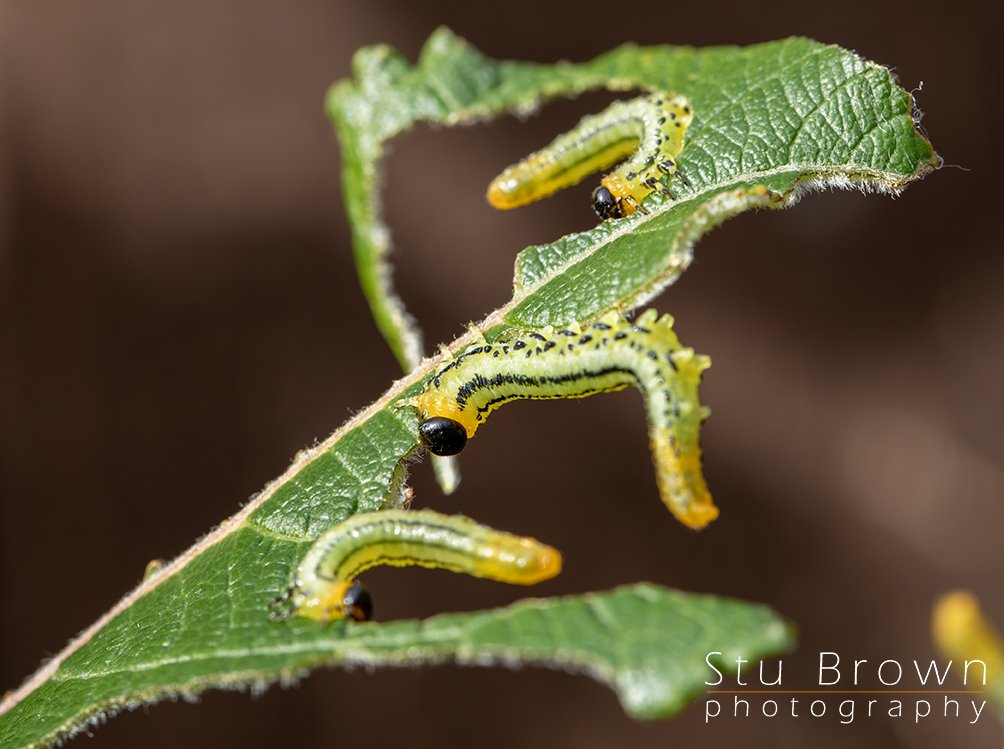
Sawfly larvae | Stu Brown Photogrpahy
Explore Photography With Me
If you’re interested in close-up or macro photography but aren’t sure how to get started, my one-to-one photography tuition can be arranged around your camera, experience and interests. We can work through the things you’re finding difficult and give you time to practise with individual guidance.
You can also explore my group photography workshops across Teesside and North Yorkshire, including opportunities to build your camera skills and enjoy photographing outdoors.
For now, I’m looking forward to seeing what else I can find with the macro lens. The garden jobs might take a little longer when I keep stopping for photographs, but I’m enjoying having another reason to spend time out there.
