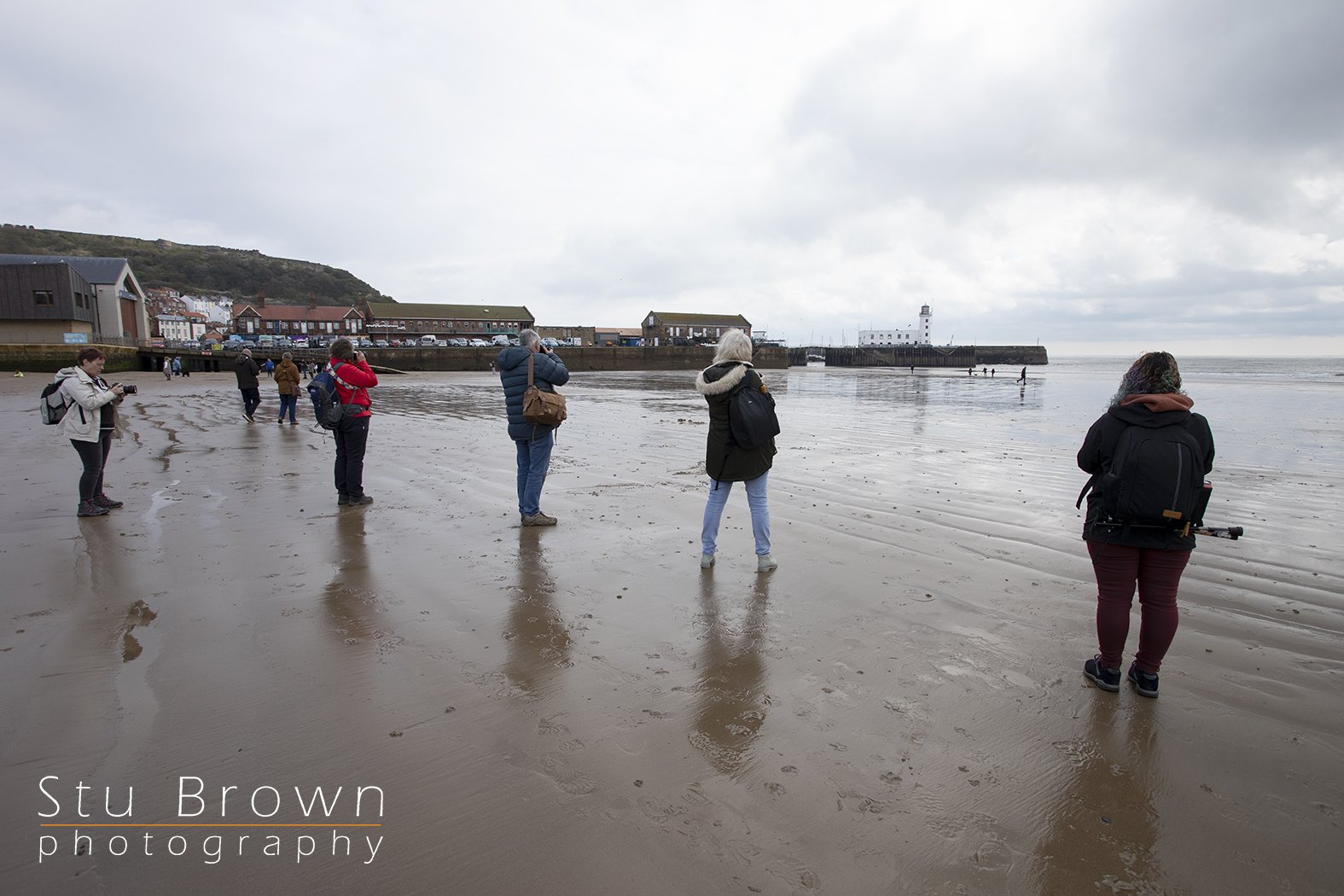


On Sunday 6 September, I returned to the wonderful RSPB Saltholme to lead another of my Beginners Photography Workshops. I was joined by a fantastic group of students who arrived with a mixture of cameras, different levels of experience and their own reasons for wanting to understand photography properly. That variety is something I genuinely enjoy because no two workshops are ever exactly the same, and every student brings different questions and ideas to the day.
There is no particular camera that somebody needs to own before they can begin learning photography. Although manufacturers arrange their controls differently and sometimes use different names for similar features, the fundamental principles remain the same. My job is to help every student understand those principles and then show them how to apply that knowledge to the camera they already own.
Making Photography Easier to Understand
Modern cameras are incredibly capable, but the number of buttons, dials, menus and settings can make them feel unnecessarily complicated. It is very easy to leave a camera in Auto and hope it makes the correct decisions, but that can eventually become frustrating when the resulting photograph doesn’t look the way you imagined it.
My Beginners Photography Workshops are designed to remove that confusion by explaining everything in straightforward, practical language. During the day, we worked through the essential camera settings and explored how aperture, shutter speed and ISO work together to control both the exposure and the creative appearance of a photograph.
Rather than simply giving students a list of settings to copy, I want them to understand why they are making each choice. Once somebody understands what a setting actually controls, they can begin adapting it to different subjects, lighting conditions and creative ideas without constantly wondering whether the camera is set correctly.
Different Cameras, the Same Principles
Having such a varied selection of cameras in the group made the workshop particularly enjoyable. The buttons and menus may have been in different places, but everybody was still making the same photographic decisions. We considered how much of a scene should appear in focus, whether movement should be frozen or shown creatively, how to recognise when an image is too bright or too dark, and how the position of a subject can affect the overall composition.
Once those decisions begin to make sense, the camera stops feeling like an obstacle and starts becoming a creative tool. One of the most rewarding parts of teaching is seeing the moment when something that initially appeared confusing suddenly clicks into place. Students begin making deliberate choices, understanding the results and taking control of their photographs rather than leaving every decision to the camera.
Taking the Learning Out onto the Reserve
Photography cannot be learnt properly by sitting in a room all day, which is one of the reasons RSPB Saltholme provides such an excellent setting for these workshops. After covering the important theory, we were able to head out around the reserve and begin putting that knowledge into practice.
Practical exercises give students the opportunity to change a setting, take a photograph and immediately see the difference their decision has made. They can ask questions while the camera is still in their hands and receive guidance that relates directly to the subject or situation in front of them. That immediate connection between theory and practice is far more valuable than trying to remember a page from an instruction manual several weeks later.
I also make a conscious effort to keep the atmosphere friendly and relaxed. Nobody should ever feel embarrassed about asking a question or admitting that they don’t understand something. Everyone attending is there to learn, and photography should be enjoyable rather than feeling like a test filled with technical language.
Looking Beyond the Camera Settings
Although understanding the technical side is important, photography involves much more than producing a correctly exposed image. We also explored composition, light and the different choices that can turn a straightforward record of a subject into a more engaging photograph.
Sometimes moving a few steps, changing your height or waiting for the light to improve can make a greater difference than buying another expensive piece of equipment. One of the most important things I want students to take away from my workshops is that better photography doesn’t automatically come from owning a better camera. It comes from understanding the equipment you already have, slowing down and thinking carefully about what you want the finished photograph to communicate.
The group were a genuine pleasure to teach, and their questions, enthusiasm and willingness to experiment all helped make it a thoroughly enjoyable day. A successful workshop is never simply me standing at the front and talking. It develops through conversations, shared ideas, practical experience and everybody learning together.
RSPB Saltholme remains one of my favourite places to teach. Its wildlife, changing landscapes and contrasting industrial surroundings provide an enormous variety of photographic possibilities. More importantly, it is somewhere that encourages people to slow down, look more carefully and enjoy spending time outside with their cameras.
I would like to thank everyone who joined me for the workshop and the team at RSPB Saltholme for continuing to make these events possible.
Wildlife Photography Workshop – 27 September 2026
If you already understand the basics of your camera and would now like to develop your wildlife photography, I will be returning to RSPB Saltholme on Sunday 27 September 2026 for a dedicated Wildlife Photography Workshop.
Running from 9:30am until 1:30pm, this relaxed and practical workshop will concentrate on photographing wildlife in real situations around the reserve. We will explore camera settings for changing conditions, autofocus and subject tracking, exposure, composition, natural light, moving subjects and birds in flight.
We will also look beyond the camera settings and spend time developing fieldcraft. Learning to observe wildlife, anticipate behaviour and approach every subject responsibly can make an enormous difference to both the experience and the photographs you bring home. Ethical photography will remain at the heart of the workshop, with the welfare of the wildlife always coming before the photograph.
Every participant will receive my professionally produced Wildlife Photography Field Guide to take home. It includes practical camera settings, focusing advice, composition, fieldcraft, wildlife ethics, birds-in-flight guidance, photography projects and dedicated space for personal field notes.
The workshop costs £50, with admission to RSPB Saltholme included. Whether you would like to capture your first sharp bird in flight or simply feel more confident photographing wildlife, it will be a friendly and supportive morning of practical photography at one of the North East’s finest nature reserves.