CONTACT
Call, Text or WhatsApp- 077393121743
The last photograph I shared from Lockwood Beck was of a fly agaric, which meant spending a fair bit of time down at ground level. For this one, I thought I’d give my knees a break and point the camera across the reservoir instead. It’s quite a change going from a subject you could almost miss under your feet to a photograph where you have to decide how much of the place to fit in. That’s one of the reasons I like going back to Lockwood Beck with a camera.
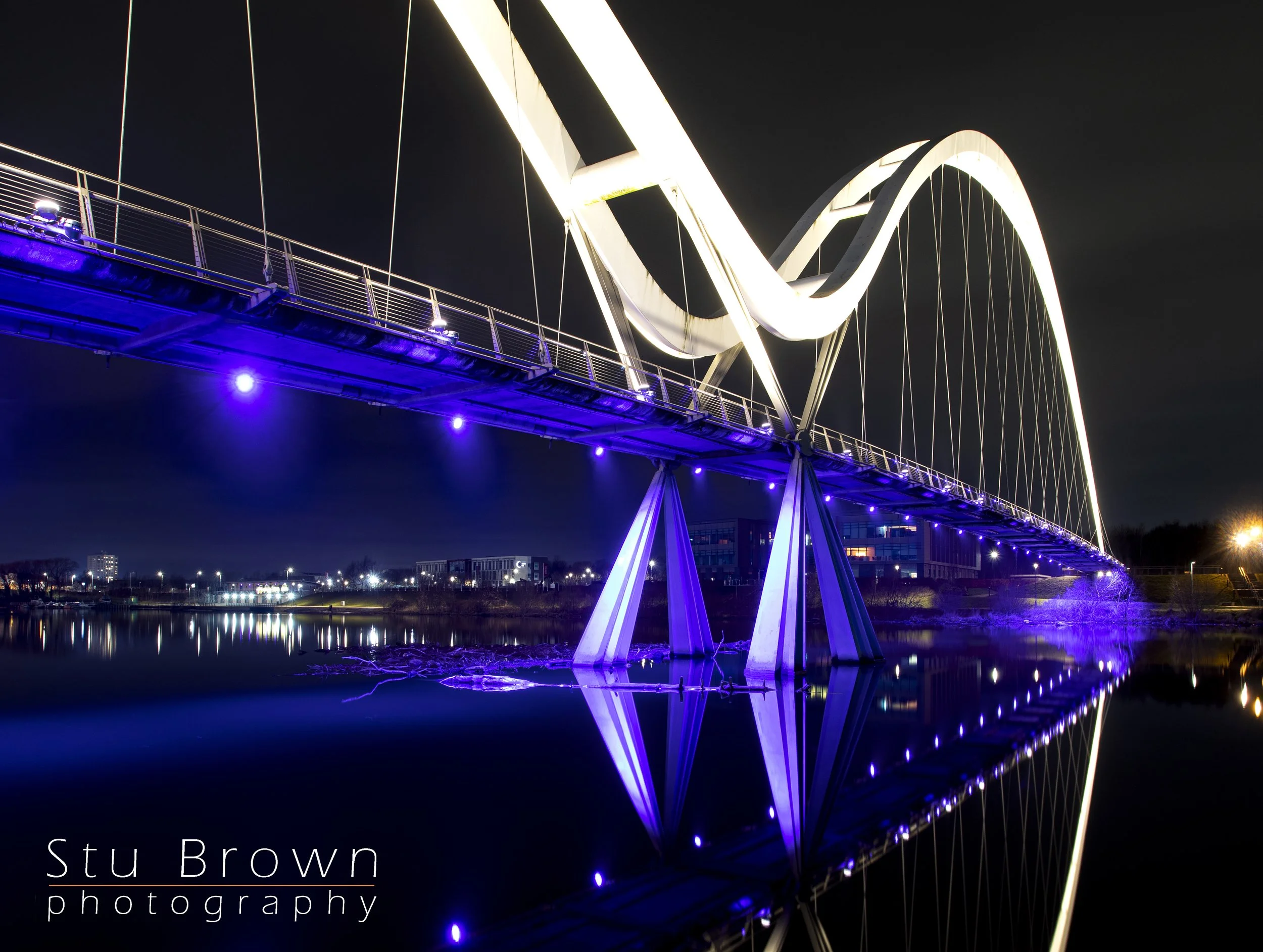
There’s a temptation at this time of year to put the camera away once the daylight starts disappearing. I think that’s a shame, because some familiar places become much more interesting to photograph after dark. Lights, reflections and shapes that you might barely notice during the day suddenly become the reason to stop and take a picture.
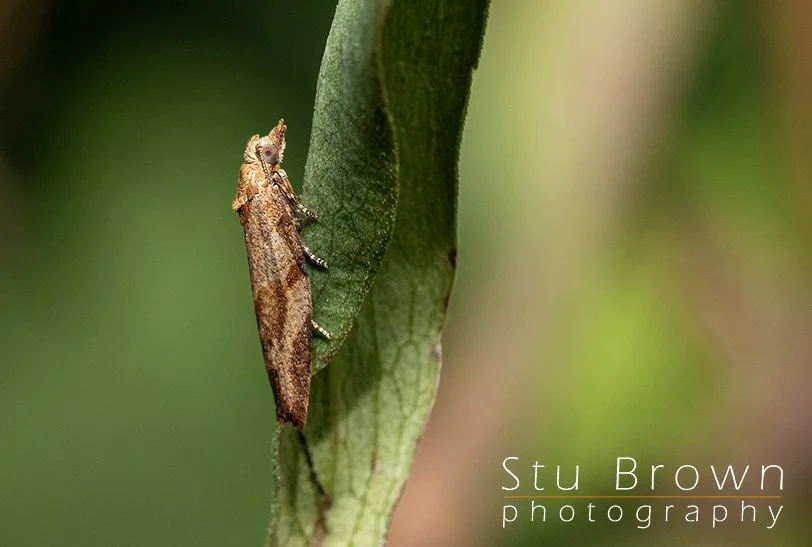
Having recently bought another Canon 100mm f/2.8L macro lens, I’ve been spending more time looking for the smaller subjects around me. Bees, moths and sawfly larvae have all had their moment in front of the camera, and I’m enjoying getting back into a kind of photography that can keep me occupied without travelling very far at all.
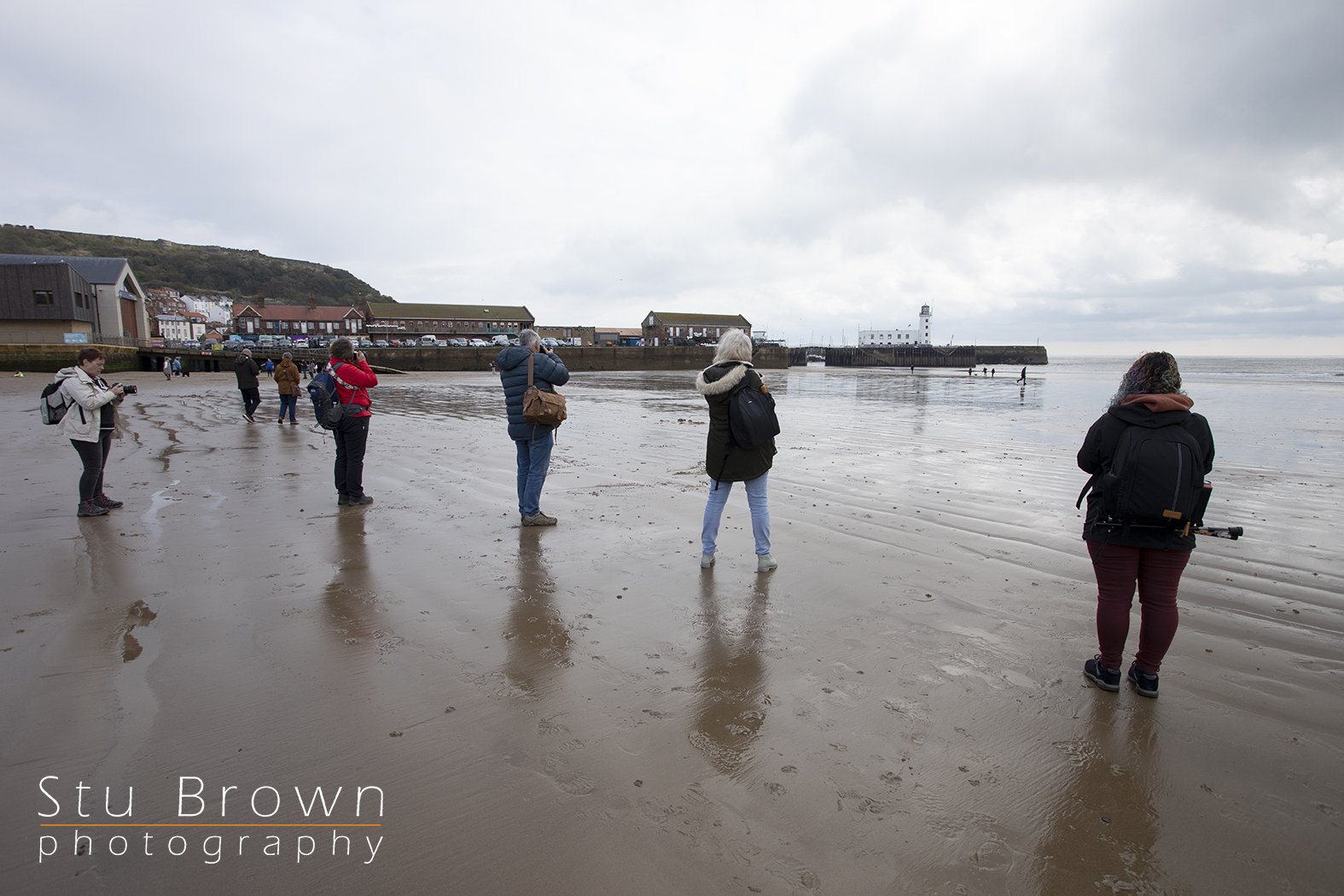
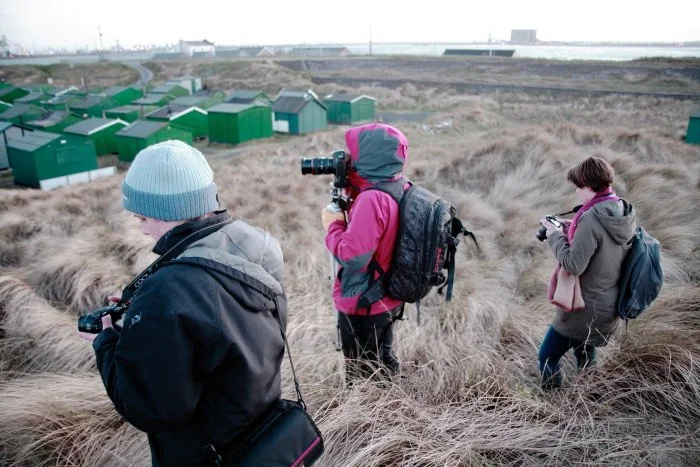
Buying a camera is exciting. Working out what to do with it afterwards can be a different story. You start with good intentions, try a few settings, watch some videos and then find yourself back on automatic because the photographs aren’t quite coming out as you hoped. If that sounds familiar, you’re certainly not the only one. It’s something I hear regularly from people joining my photography workshops.
There’s a particular kind of frustration that comes with wildlife photography. You’re out enjoying a walk, you spot a bird you’d love to photograph, and by the time you’ve worked out where your camera is focusing, it’s gone. If that sounds familiar, you’re exactly the sort of person I had in mind when I put together my new beginners’ wildlife photography workshop.
You don’t need to arrive knowing all the camera settings. Perhaps you’ve recently bought a camera and want to do more with it, or perhaps yours has been set to auto for years. You might already enjoy photographing wildlife but find that the results don’t quite match what you saw. That’s a perfectly good place to start.
One of the questions I’m regularly asked before a photography workshop is what somebody needs to bring with them. It’s usually followed by a slightly nervous explanation about their camera being quite old, not having many lenses or worrying that everybody else will arrive with much more professional equipment.