


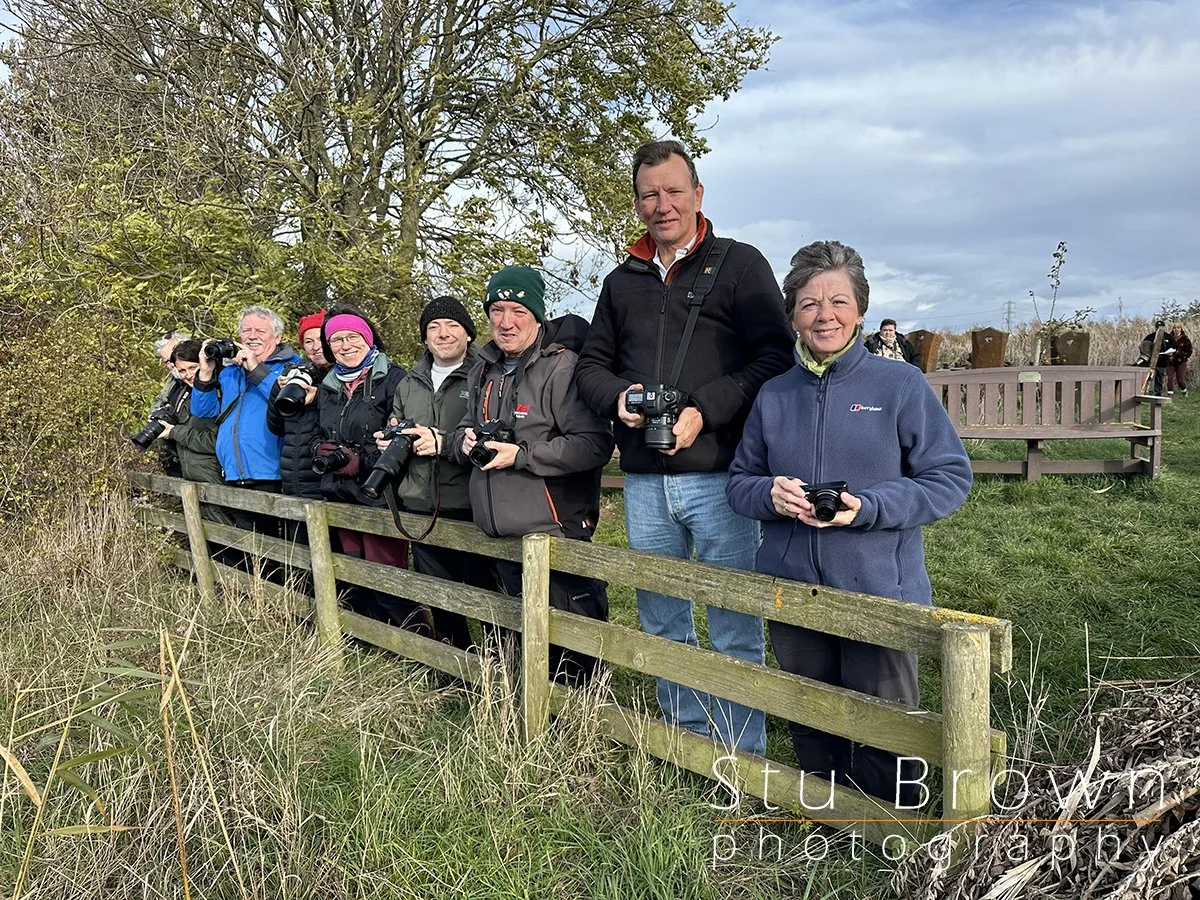
For many people, photography begins as a simple hobby. A new camera, a walk outdoors, a curiosity about light and landscapes. But over time, it often becomes something deeper — a reason to slow down, step outside, and reconnect with both nature and other people.
That’s something I see time and time again on my photography workshops.
While people often arrive wanting to understand their camera or improve their photos, what they frequently leave talking about isn’t just photography. It’s how calm they feel. How good it was to spend a day outside. How much they enjoyed learning alongside others without pressure or expectation.
Photography, when taught in the right environment, can quietly support wellbeing in powerful ways.
Learning as a Way to Slow Down
Modern life is fast, noisy, and screen-heavy. Many of the people who attend my workshops tell me they feel overwhelmed before they even arrive — juggling work, family, responsibilities, and the constant pull of phones and notifications.
A full-day photography workshop offers something increasingly rare: permission to slow down.
Learning how to use a camera encourages people to pause, look properly, and notice details they might otherwise walk straight past. Whether it’s light on water, movement in reeds, or the texture of stone underfoot, photography gives the mind something gentle to focus on.
That focused attention — often called “being present” — is deeply grounding. It shifts attention away from worries and into the moment, even if just for a few hours.
Time Outdoors, Without Pressure
Spending time outside is widely recognised as beneficial for mental health, but not everyone finds it easy to simply “go for a walk”. Some people feel they need a purpose, a reason to be there.
Photography provides that purpose.
My workshops take place outdoors as well as in the classroom, often on beautiful sites such as RSPB reserves or heritage venues. These environments offer space, fresh air, and a natural rhythm that helps people relax without even realising it.
Importantly, there’s no rush. No pressure to perform. No expectation to be “good”. People move at their own pace, guided gently through both theory and practical sessions, with time to absorb what they’re learning.
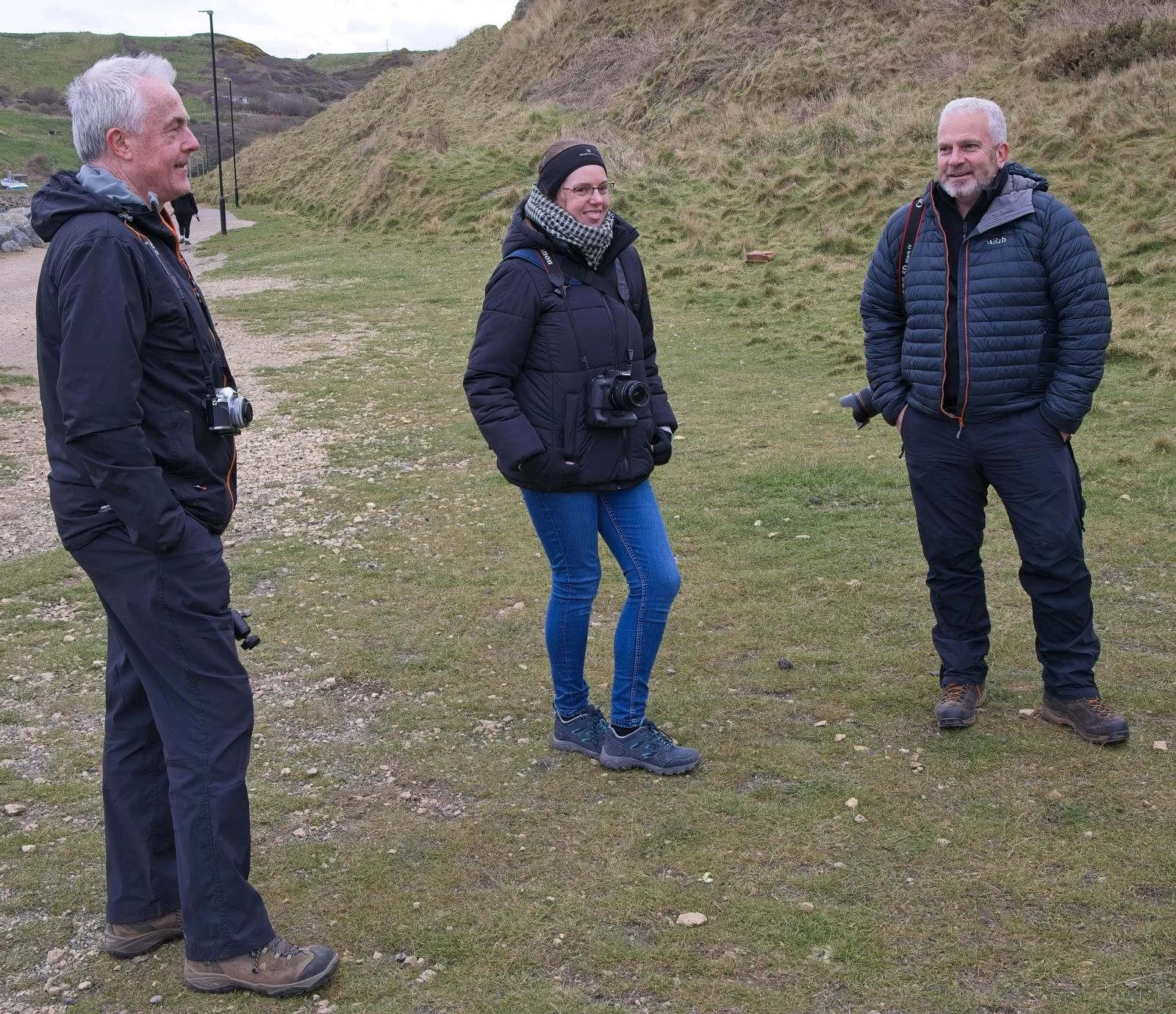
Social Connection Without the Awkwardness
One of the biggest barriers people face when trying something new is social anxiety. Many attendees arrive alone, unsure of what to expect, and slightly nervous about fitting in.
Photography workshops offer a unique kind of social interaction. Everyone has a shared focus — the camera, the scene, the learning — which removes a lot of the usual pressure to make conversation.
Connections form naturally. People chat while walking between locations, compare photos, ask questions, and support one another. By the end of the day, it’s common to see groups exchanging contact details or making plans to meet up again.
That sense of shared experience can be incredibly uplifting, especially for those who may feel isolated in day-to-day life.
Confidence Through Understanding
Lack of confidence is a recurring theme among beginners. Many people believe photography is “too technical” or that they’re “not creative enough”.
A core part of my workshops is breaking down camera basics — shutter speed, aperture, ISO, and simple composition — in a clear, accessible way. When people finally understand how their camera works, something shifts.
They stop guessing.
They stop blaming themselves.
They start feeling capable.
That confidence often extends beyond photography. Learning something new, especially in a supportive environment, reminds people that they can still grow, improve, and enjoy new challenges.
A Day That Stays With You
Every attendee receives a glossy workshop resource to take home — not just as a reference guide, but as a reminder of what they achieved during the day. Many tell me they keep it close to their camera bag, revisiting it when they need reassurance or inspiration.
But the real takeaway is often less tangible.
It’s the memory of a calm day outdoors.
The feeling of understanding something that once felt confusing.
The knowledge that learning doesn’t have to be stressful to be effective.

Supporting Venues and Conservation Too
Many of my workshops operate in partnership with venues, including nature reserves, where income is shared directly. This means that as people learn, connect, and benefit personally, they are also supporting the places that make these experiences possible.
It’s a cycle that benefits individuals, communities, and the natural environments we all rely on.
Photography as a Gentle Act of Self-Care
Photography workshops aren’t therapy — and they don’t need to be. But they do offer something quietly valuable: time, space, connection, learning, and calm.
For many people, that combination is exactly what they need.
In a world that rarely slows down, picking up a camera and spending a day learning outdoors can be a small but meaningful act of self-care — one that leaves people feeling more confident, more connected, and more present than when they arrived.
And often, that’s just as important as the photographs themselves.
